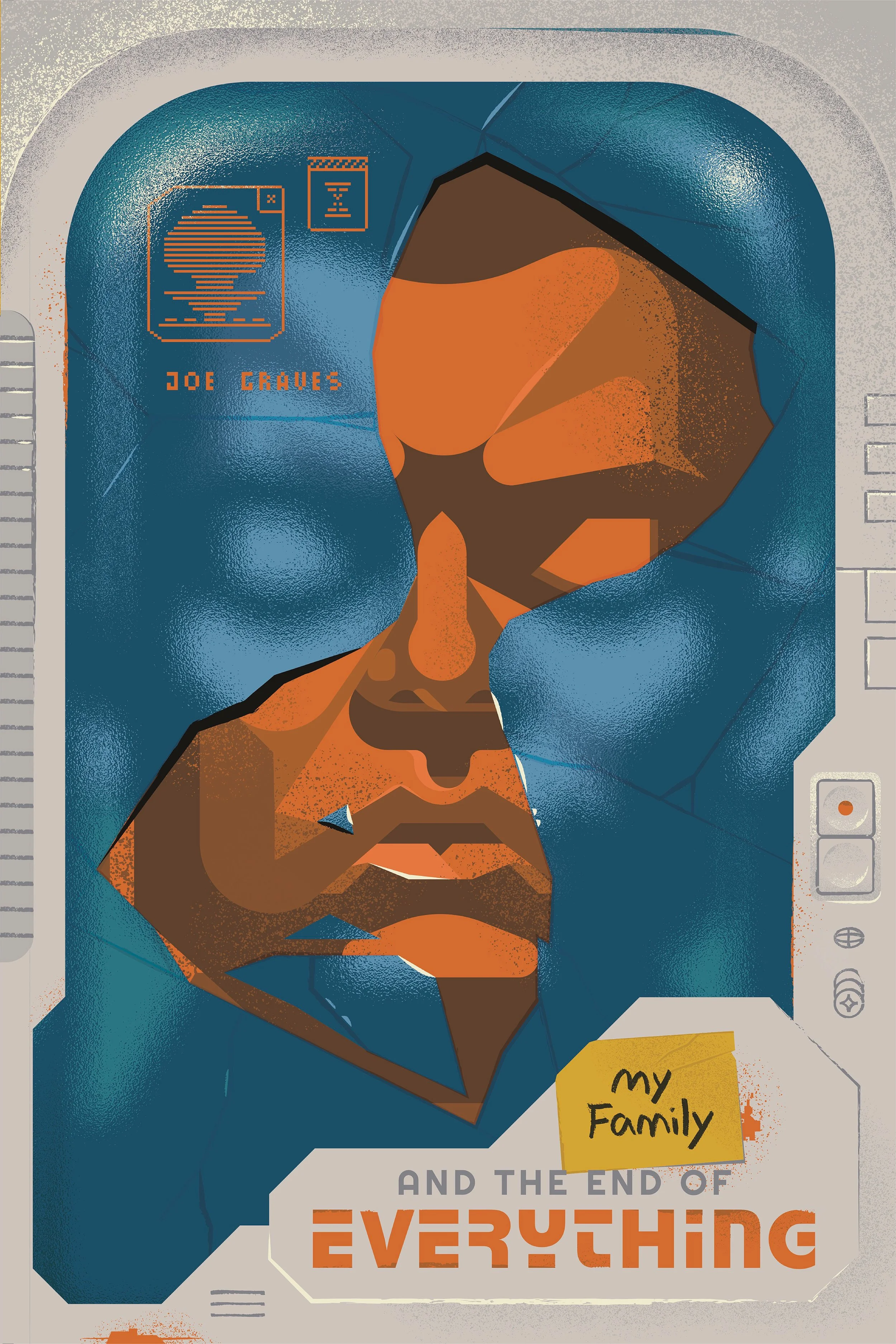
“From unseen cosmos within us to the far flung worlds beyond us, Joe Graves’ new collection is a stirring meditation on what we lose, even as we gain the wonders that the future holds. My Family and the End of Everything succeeds because it understands that apocalypse is not only an event but a series of choices.”
— Independent Book Review

“This is speculative fiction at its finest.”
-Henry (Hank) Walter Spaulding III, PhD., author of Iconoclastic Sex and other books.






“An unforgettably eloquent look into the existential conflict unfolding in the present. It feels like a book-length prayer.”
— Mary H. McFarland, award-winning fantasy, suspense, thriller, and true crime writer.
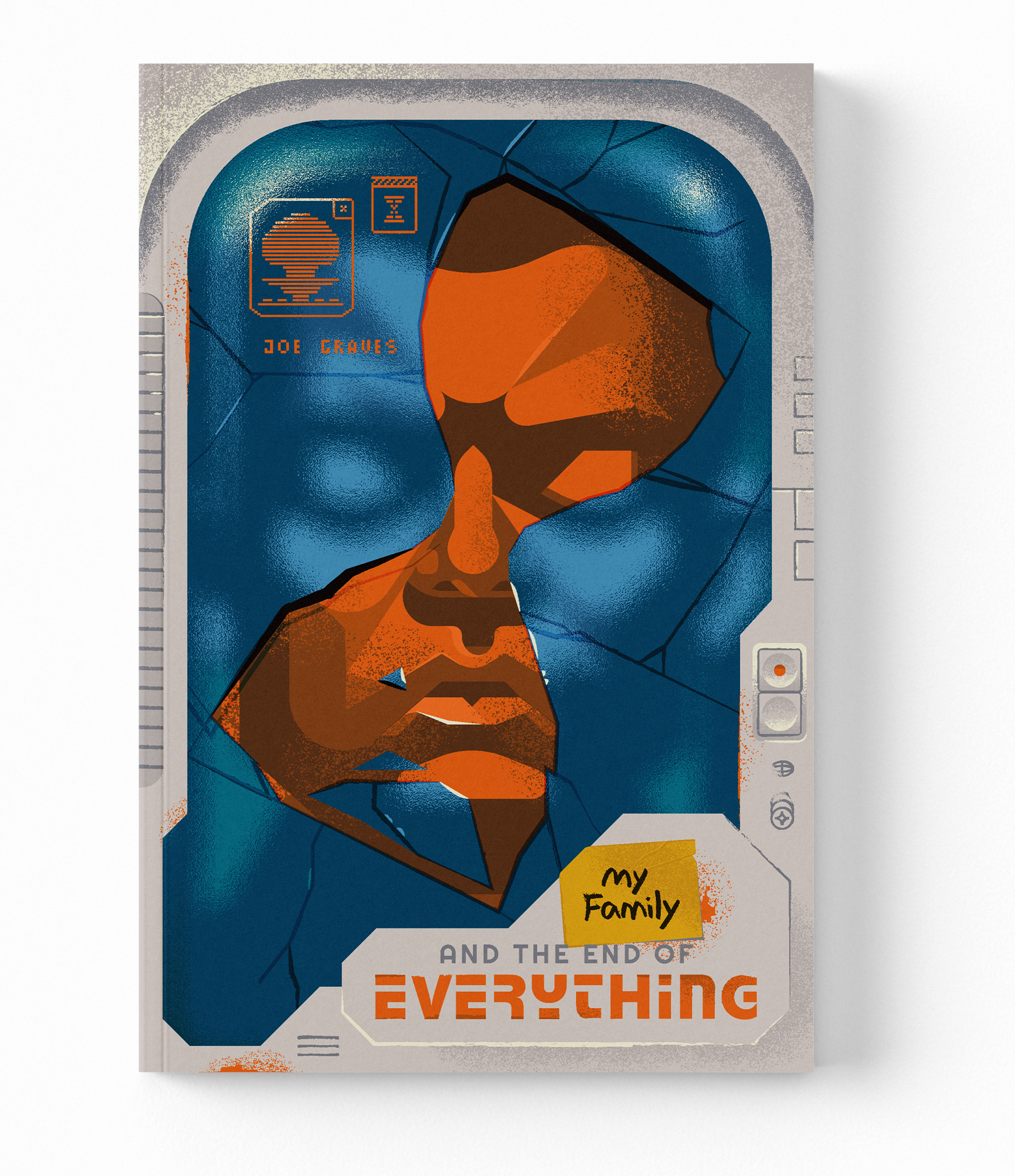
The end of everything begins closer than you think. Of course, it always includes such foul practices as bureaucratic corruption, disregard for science (or the overindulgence of it), and corrupted religion. But this is not where it starts. It begins much closer to home—smart homes to be exact, and well-intentioned inventions (they really did think it was a good idea)—and human consolidation, and old men doing their best to retire.
My Family and the End of Everything follows generations of the Profeta family as they march naively towards the setting sun. The ending doesn’t come with explosions—at least, not at first. It arrives quietly, in funerals, final meditations, historical preservation, and decisions no one remembers volunteering for. From networked houses and autonomous bots to terraformed worlds, time travel, dying suns, and suspiciously ceremonial banquets, these stories track humanity’s ongoing attempt to stay human, in all our gloriously human ways.
This isn’t one apocalypse, several, for the world ends far more often than we’d like to admit. Yet somehow, through all of them, a family—and their stubborn faith in each other and their God—finds a way to endure, and presents to us this question: If we could change the future, would we?
Readers who loved Station Eleven, Never Let Me Go, and The Road will find a similarly intimate, thoughtful exploration of what it means to care for one another when everything else is uncertain.
This book is going to appeal to:
Fans of literary fiction with speculative elements
Readers who enjoy family dramas that explore the intersection of memory and ethics
Those who prefer understated yet emotionally deft writing to end-of-the-world action.
Those interested in novels that have used cataclysmic scenarios to explore ideas of closeness over spectacle.
Bitter Medicine: A Review of My Family and the End of Everything
by Jim Hodnet
Sometimes reading dystopian science fiction is like swallowing bitter medicine. “I know this is good for me,” I say to myself. “I know I need to understand and confront these future possibilities and will be better for it. But I sure don’t like the side effects.” This is true to some degree of Joe Graves’ book of imaginatively interwoven stories that comprise My Family & the End of Everything. Humans surely do make a mess of things in Graves’ vision of the future, what with AI and robots and clones and time travel and ultra surveillance and world-destroying weaponry. And they don’t seem to be able to stop themselves from making more of the same messes—over and over again.
But Graves’, who writes in a composed, though not emotionless style, also creates characters who manage to retain their humanness—some of them, at least—in spite of the oppressive technologies and corrosive environments that surround them, pushing them to reduce to little more than robots. Yet Graves’ flesh and blood characters manage to survive—through connections to each other, through acts of compassion and selflessness, through resistance, and through faith in something greater than themselves, greater even than technology. Yes, they survive—but will they prevail?
Full of irony and spirituality, as well as plausible future scenarios, Graves’ book is a mind-bender. The reader will have difficulty at times discerning who is the villain and who is the hero. And sometimes even the question of who is more moral, more sentient is up for grabs—the robots or the humans? the humans or their clones?
Like all compelling science fiction, Graves’ book is comprised of both bitter medicine and the hope and grace, however small at times, that makes that pill sweeter and easier to digest.
Jim Hodnett, Ph.D., is a retired psychologist and former board member of the Ohio Writers Association. He is the author of “Trophy Husband” and other published stories.
Own a copy? Access additional rewards.